Commercial LED Lighting Retrofits
Upgrade outdated commercial lighting with modern LED systems built for better performance, reliability, and lower maintenance.
On Target Contracting provides commercial LED lighting upgrades for offices, retail spaces, restaurants, warehouses, parking areas, and other commercial properties. We evaluate the existing fixtures, controls, ceiling conditions, access, and electrical system before deciding whether the best option is to retrofit the existing fixtures or replace them completely.
Our approach is based on long-term value, not simply making an old fixture turn on with LED components. If the existing fixture is still in good condition, a retrofit may make sense. When housings, wiring, sockets, drivers, ballasts, or other components are already aging, complete fixture replacement can provide a cleaner installation and reduce future service calls.
Quote / Owner Perspective
"I know getting called back creates more revenue, but I'd rather solve the problem and get called to a different property to do it again. I want the lifelong client more than I want the short-term dollars." — Donny Dean, Owner / Electrical Division, On Target Contracting
Contact Our TeamRetrofit or Complete Fixture Replacement?
Not every LED upgrade should be handled the same way. OTC looks at the condition of the existing lighting before recommending a solution.
LED Retrofit
A retrofit can be a good option when the existing fixture housing and electrical components are still in good condition and the customer wants to improve efficiency without replacing the complete fixture.
Complete Fixture Replacement
When fixtures are older, deteriorated, difficult to maintain, or already experiencing repeated failures, OTC often recommends replacing the complete fixture. This removes more of the aging components from the system and can provide better long-term reliability.
Whenever practical, we can help the customer compare both options before deciding which approach makes the most sense for the property.
Best Fit for an LED Retrofit
A retrofit can make sense when the existing fixture is still structurally sound and the customer wants to improve lighting performance without replacing the complete housing.
A retrofit is usually a better fit when:
-
The fixture housings are still in good condition
-
The current layout already provides good coverage
-
The customer wants to control upfront cost
-
Existing mounting locations can be reused
-
The fixture bodies are not heavily damaged, corroded, or deteriorated
-
The surrounding electrical system is still in good condition
-
The property is looking for a practical upgrade without redesigning the entire lighting system
A properly selected retrofit can improve light output, reduce energy use, and reduce maintenance compared with older fluorescent, metal-halide, or high-pressure sodium systems.
The limitation is that a retrofit still leaves portions of the original fixture in place. If the housing, wiring, sockets, connections, or other components are already aging, the customer may still inherit some of the maintenance problems associated with the old fixture.
Best Fit for Complete Fixture Replacement
OTC generally prefers full fixture replacement when the existing lighting system is already showing its age or when the customer is looking for the strongest long-term solution.
Complete replacement is usually the better fit when:
-
Fixtures are already experiencing repeated failures
-
Housings are damaged, brittle, corroded, or deteriorated
-
Existing wiring or internal components are questionable
-
Replacement parts are becoming difficult to source
-
The property wants to reduce future service calls
-
Existing fixtures provide poor light distribution
-
The customer wants a cleaner, more modern appearance
-
Ceiling height or access makes repeated future maintenance expensive
-
The lighting layout itself needs improvement
-
The existing fixture design limits controls, dimming, or future upgrades
Replacing the complete fixture removes more of the old system instead of installing new components inside equipment that may already be near the end of its useful life.
That can mean a higher initial investment, but it can also provide:
-
Better long-term reliability
-
Fewer aging components left behind
-
Cleaner installation
-
Better fixture efficiency
-
Improved light distribution
-
Better compatibility with modern lighting controls
-
Reduced maintenance exposure
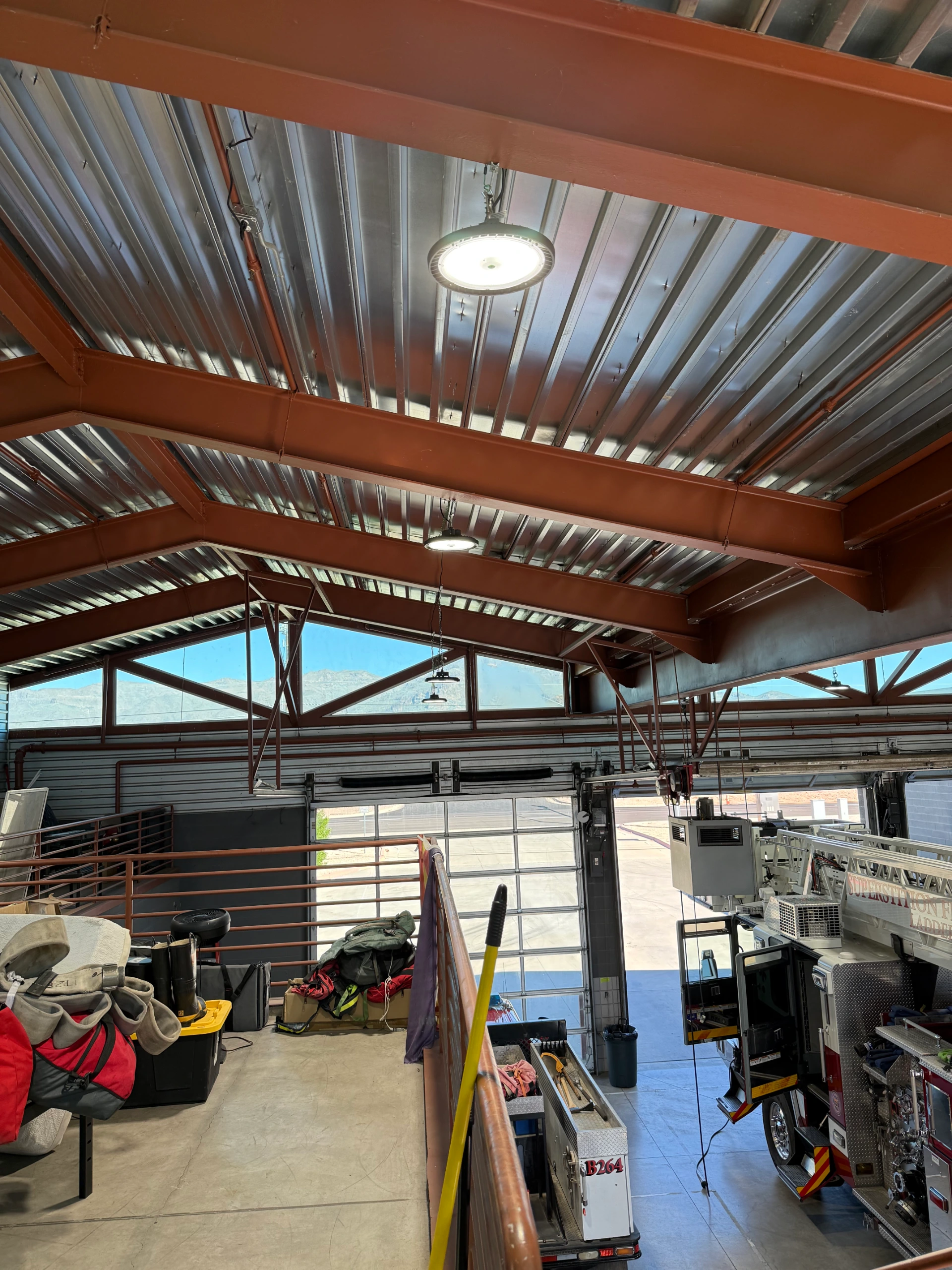
For warehouses, high ceilings, parking lots, and other difficult-to-access areas, full replacement can be especially valuable because every future service call may require lifts, traffic control, or significant labor just to reach the fixture.
How OTC Helps You Decide
OTC does not automatically push every customer toward the most expensive option.
We evaluate the existing system and look at:
-
Fixture condition
-
Age
-
Failure history
-
Access
-
Lighting performance
-
Maintenance cost
-
Existing controls
-
Customer budget
-
Expected time the property will keep the system
If the existing fixtures are worth keeping, a retrofit may be the right answer.
If the property is going to continue spending money repairing old fixture bodies and aging components, complete replacement may make more sense.
The goal is to choose the option that gives the customer the best long-term value—not simply the lowest first cost.